
2026 AI Policy Fellows
-
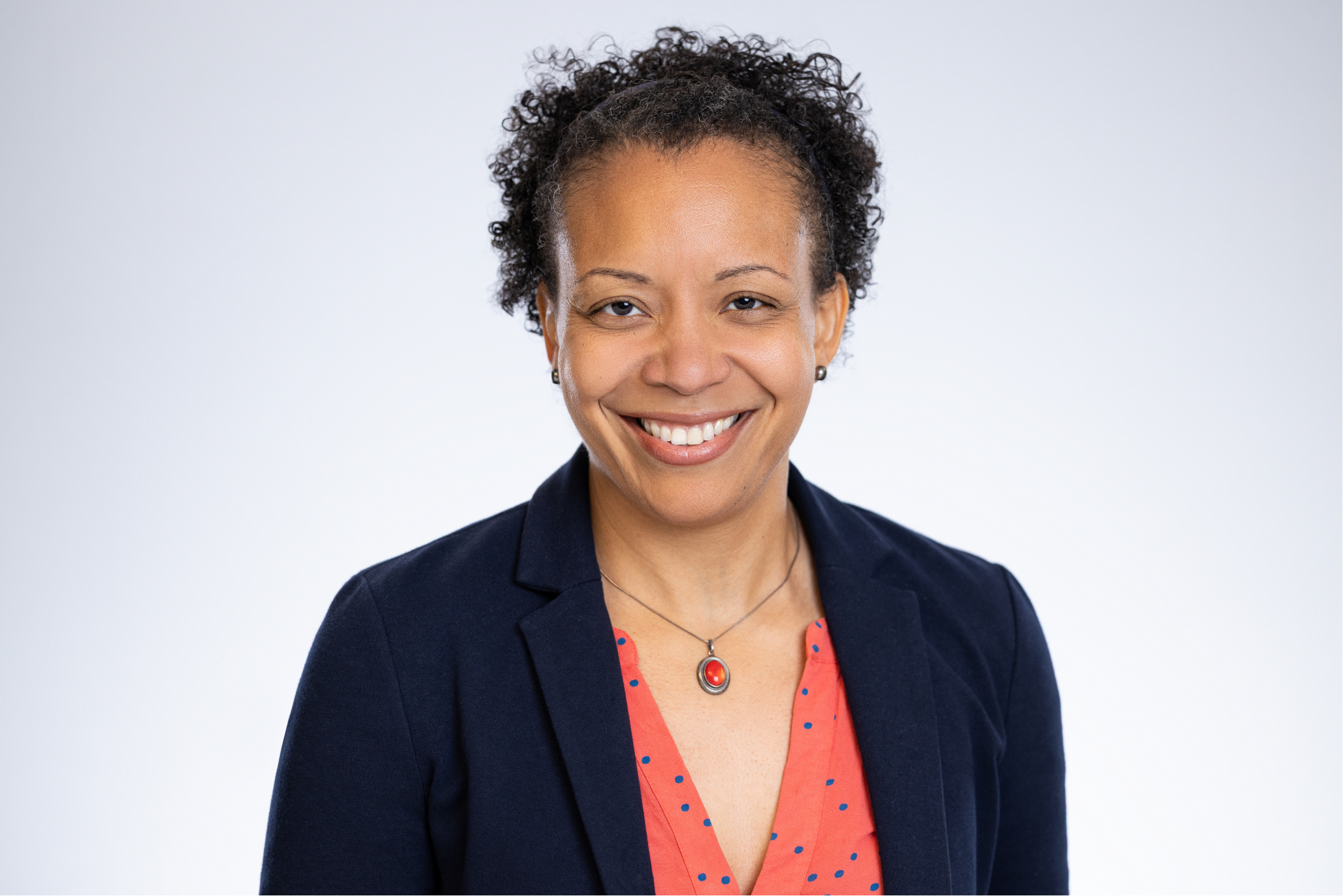
Yvette Bourcicot
2026 SENIOR FELLOW
Yvette Bourcicot has spent more than two decades at the intersection of national security and technology policy. As Principal Deputy Assistant Secretary of the Army for Manpower and Reserve Affairs, she led teams developing personnel policy for 1.4 million soldiers and civilians, including the integration of artificial intelligence into enterprise workforce strategy. In her roles at Facebook, Airbnb, and Match Group, she was a thought leader on civil and human rights, trust and safety, and platform governance. Earlier in her career, she co-authored the first Department of Defense governance framework for AI-enabled weapons systems and represented the United States in weapons policy negotiations at the United Nations. An Air Force veteran, Yvette holds a J.D. from Georgetown Law and an A.B. from Princeton University.
-
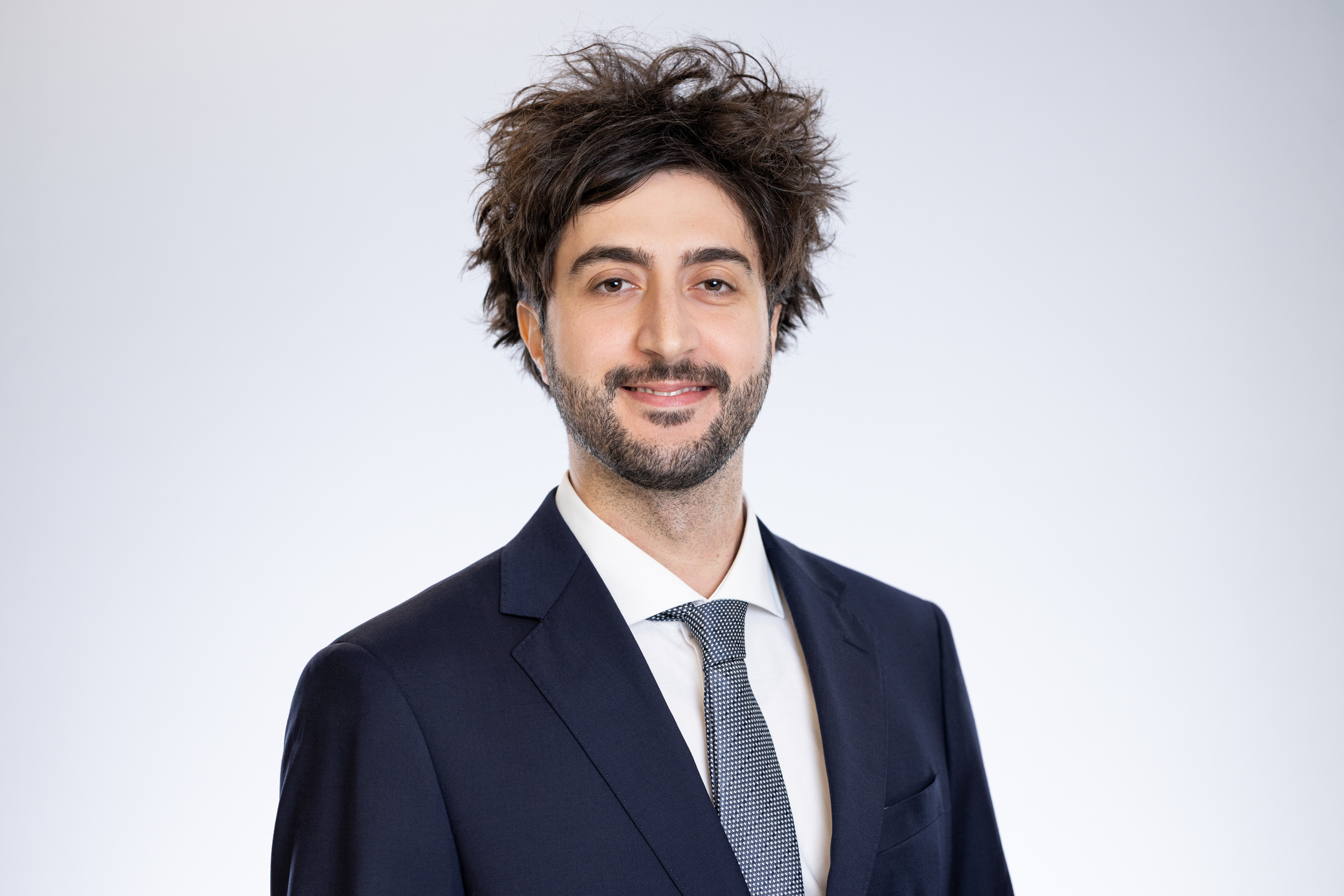
Matteo Bulloni
2026 FELLOW
Matteo Bulloni is a technical researcher transitioning to AI safety and governance. He holds a PhD in Bioengineering and a Master's in Computer Engineering from Politecnico di Milano, with an exchange year at Tongji University in Shanghai. He led the computational unit of the EU-funded consortium PerCard and worked on projects spanning from oncology, cardiology and rare disease to financial crime detection. He has seven years of experience in university teaching and mentoring of Master’s and PhD students. He was a member of the first AFFINE seminar cohort on ASI alignment.
-

Ben Carroll
2026 SENIOR FELLOW
Ben works on national security policy at the UK AI Security Institute, where he leads engagement and partnership-building with domestic and international national security stakeholders. He has held senior policy roles across the UK Government, including leading AI regulation work at the Department for Science, Innovation and Technology and roles in the Ministry of Defence covering military capability policy and regional security policy across Africa and Asia. Prior to joining government, he worked in management consulting and political due diligence. He holds an MA in International Relations from the University of St Andrews and a Postgraduate Diploma in Policymaking from King’s College London.
-
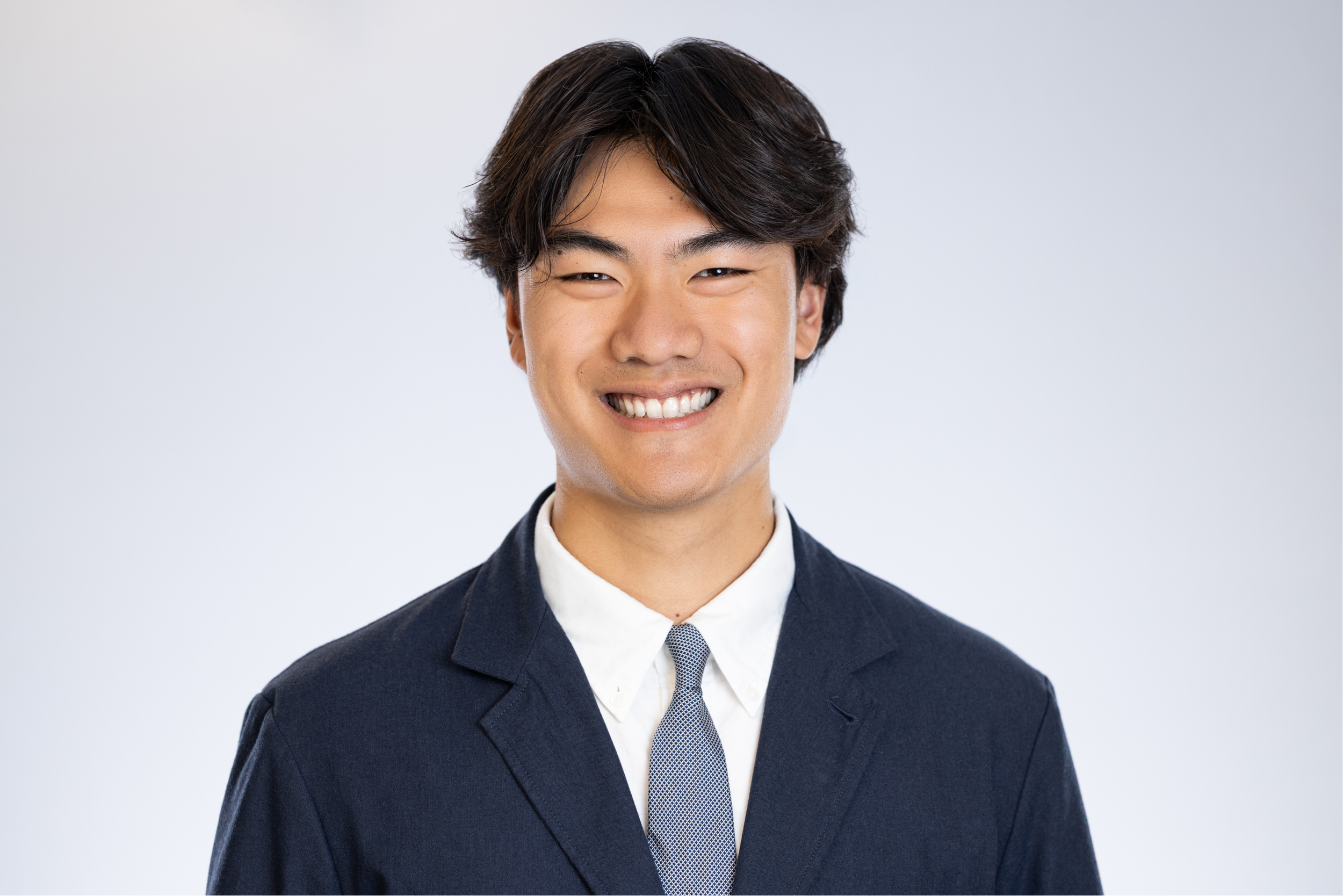
Randy Chang
2026 FELLOW
Randy Chang is a sophomore at the University of North Carolina at Chapel Hill, majoring in mathematics and political science. He is a Morehead-Cain scholar and Emergent Ventures grantee. Randy is interested in the relationship between global regulation regimes and AI’s socio-economic effects. His previous experience includes conducting AI policy research for the Central African Republic under a joint project with the State Department and working at the University of Hong Kong's AI Policy Design Lab.
-
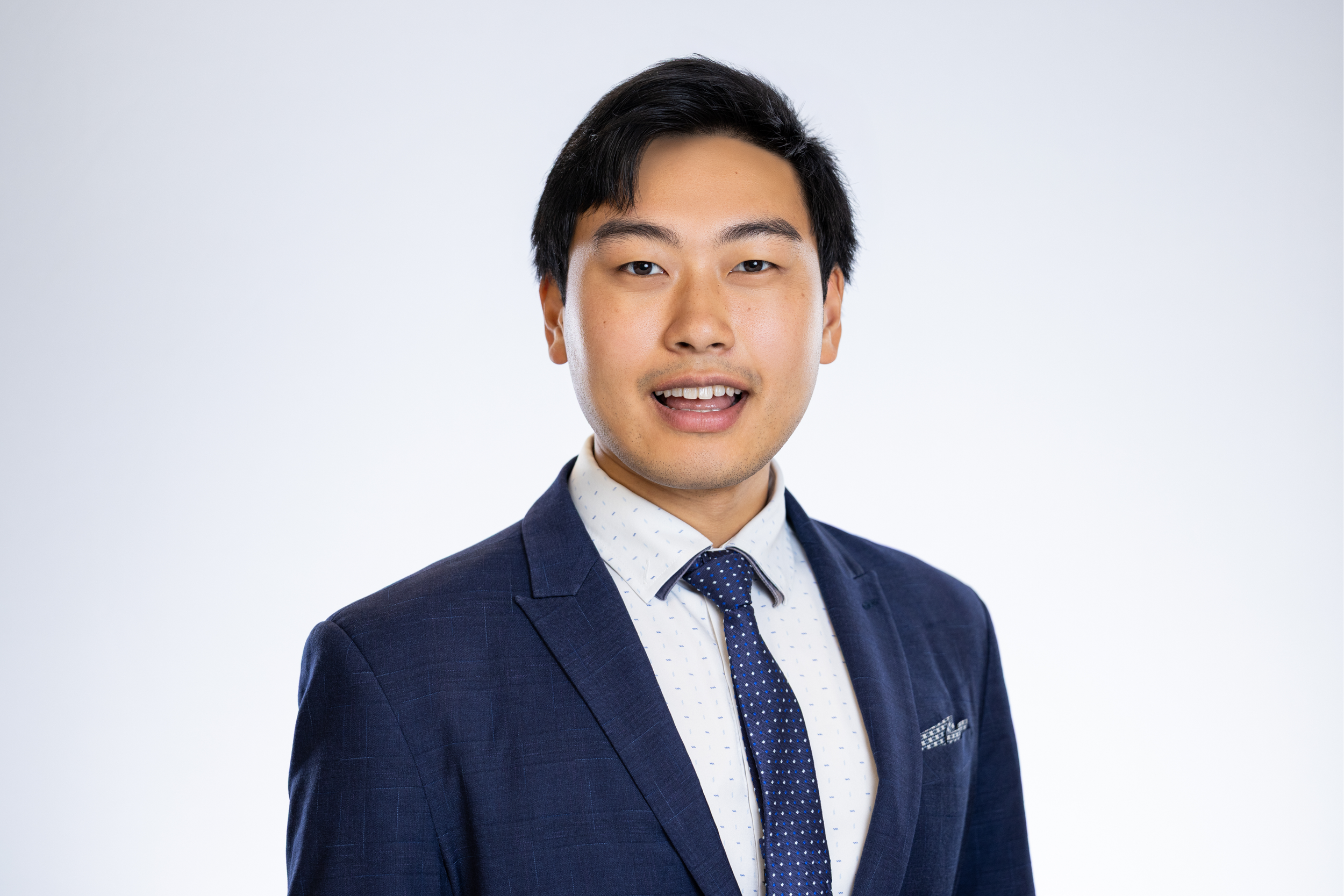
Ethan Chiu
2026 FELLOW
Ethan Chiu is an MPP student at Yale, focused on semiconductor supply chains, democratic institutions, and national security. His senior thesis draws on fieldwork across eight chip hubs, examining migrant workers who sustain the industry. He manages China and Taiwan research at the Council on Foreign Relations, and worked on emerging technology policy at the House Select Committee on the Chinese Communist Party and the Pentagon. Shaped by his Taiwanese immigrant parents, he aims to build policies that protect democratic institutions and the workers who sustain them.
-
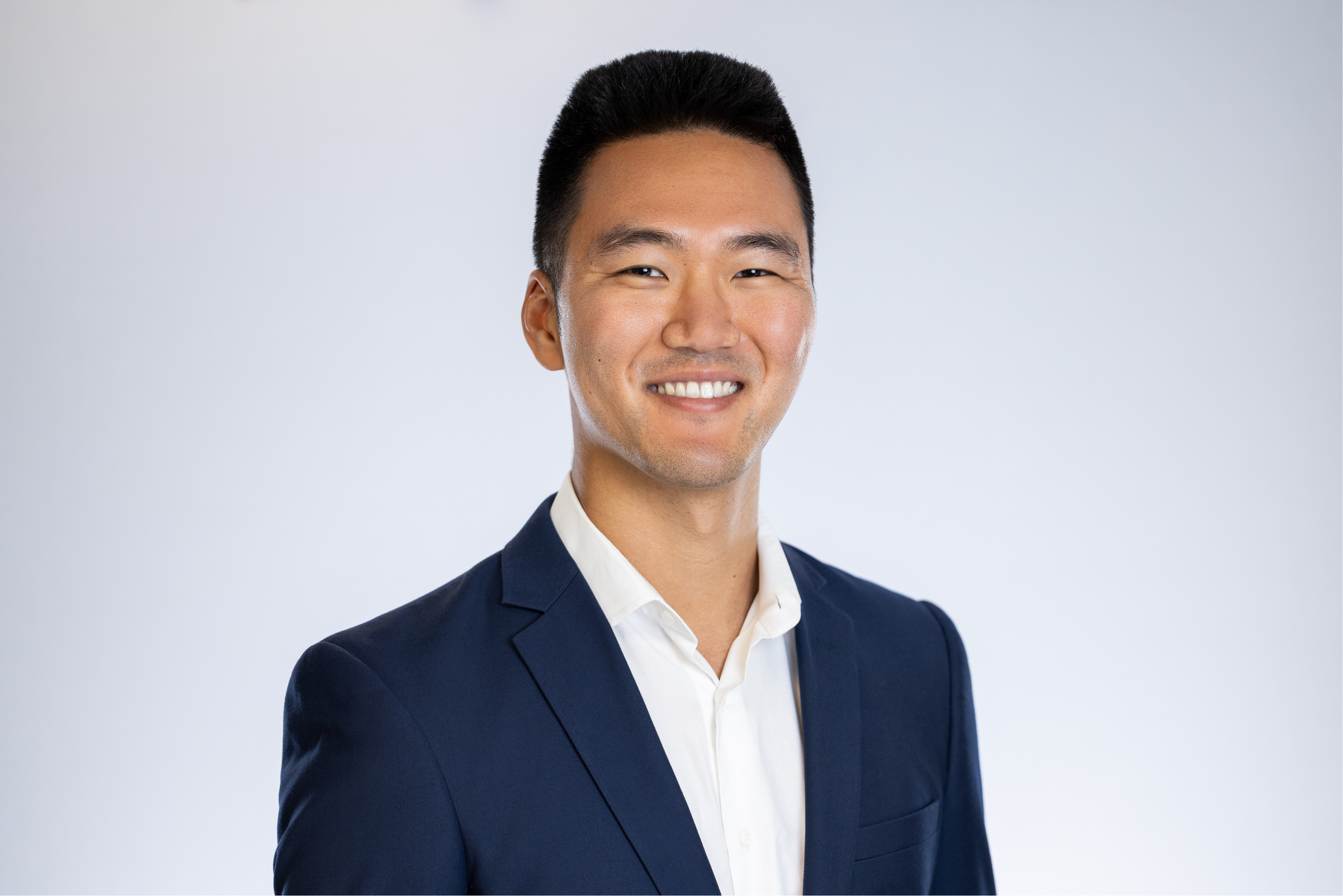
Hanyu Chwe
2026 FELLOW
Hanyu Chwe spent three years investing in AI startups at In-Q-Tel, the venture capital partner of the U.S. national security community. Before In-Q-Tel, he spearheaded computational social science research on social media behavior at Northeastern University and worked as a data scientist in industry. He holds an M.S. in Network Science from Northeastern University and a B.A. from Swarthmore College.
-
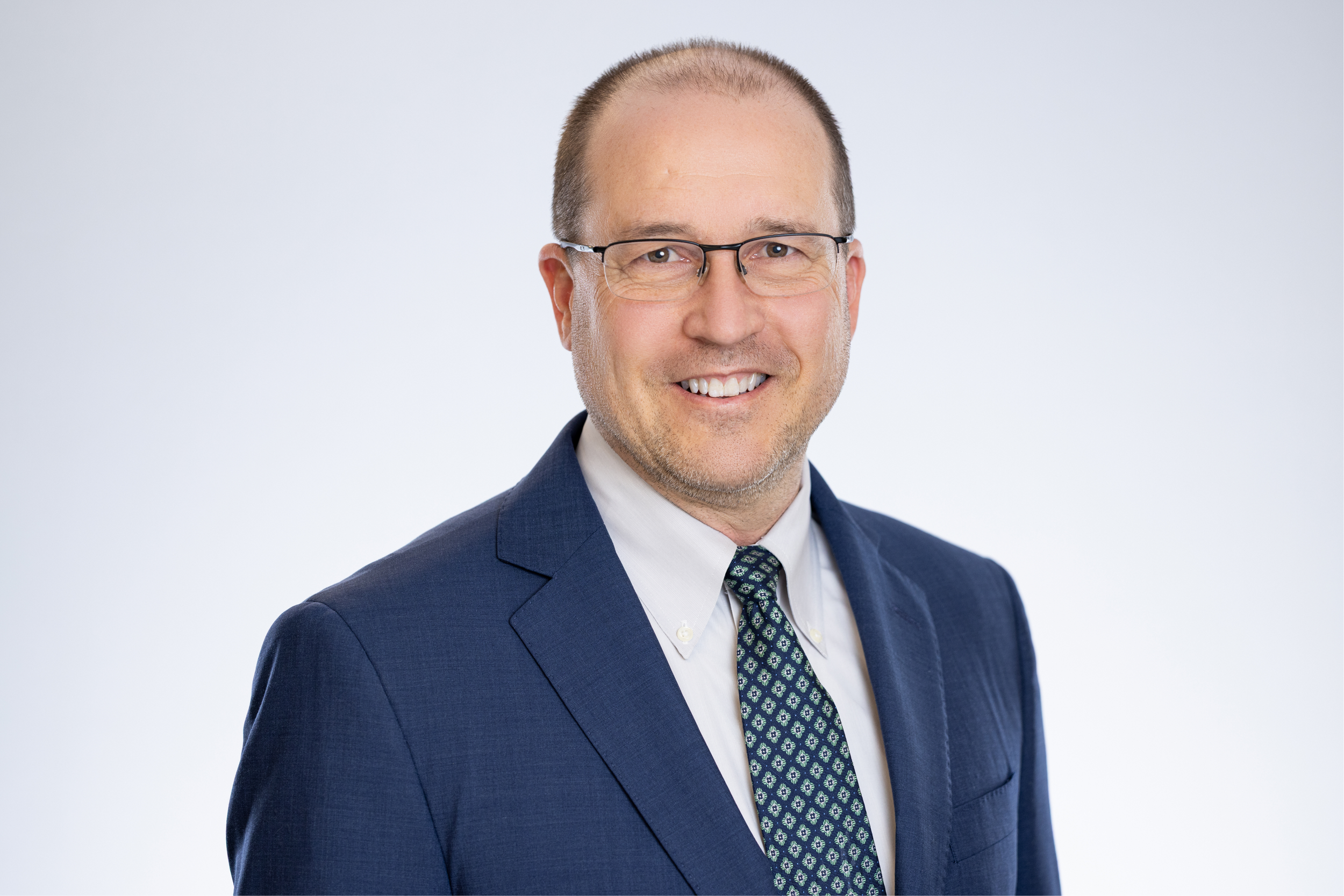
Kevin Cutright
2026 SENIOR FELLOW
Lieutenant Colonel (Retired) Kevin Cutright served a career as a US Army officer, with operational assignments to Iraq and South Korea that informed his later work as an associate professor of philosophy at West Point. In his scholarship, he bridged military ethics and cognitive science to argue that empathy (properly understood) strengthens critical reasoning and is essential to sound judgment under pressure. At the Council on Strategic Risks, he focuses on the cognitive benefits and risks of generative AI in national security, especially how AI systems should most often support, not supplant, human judgment.
-
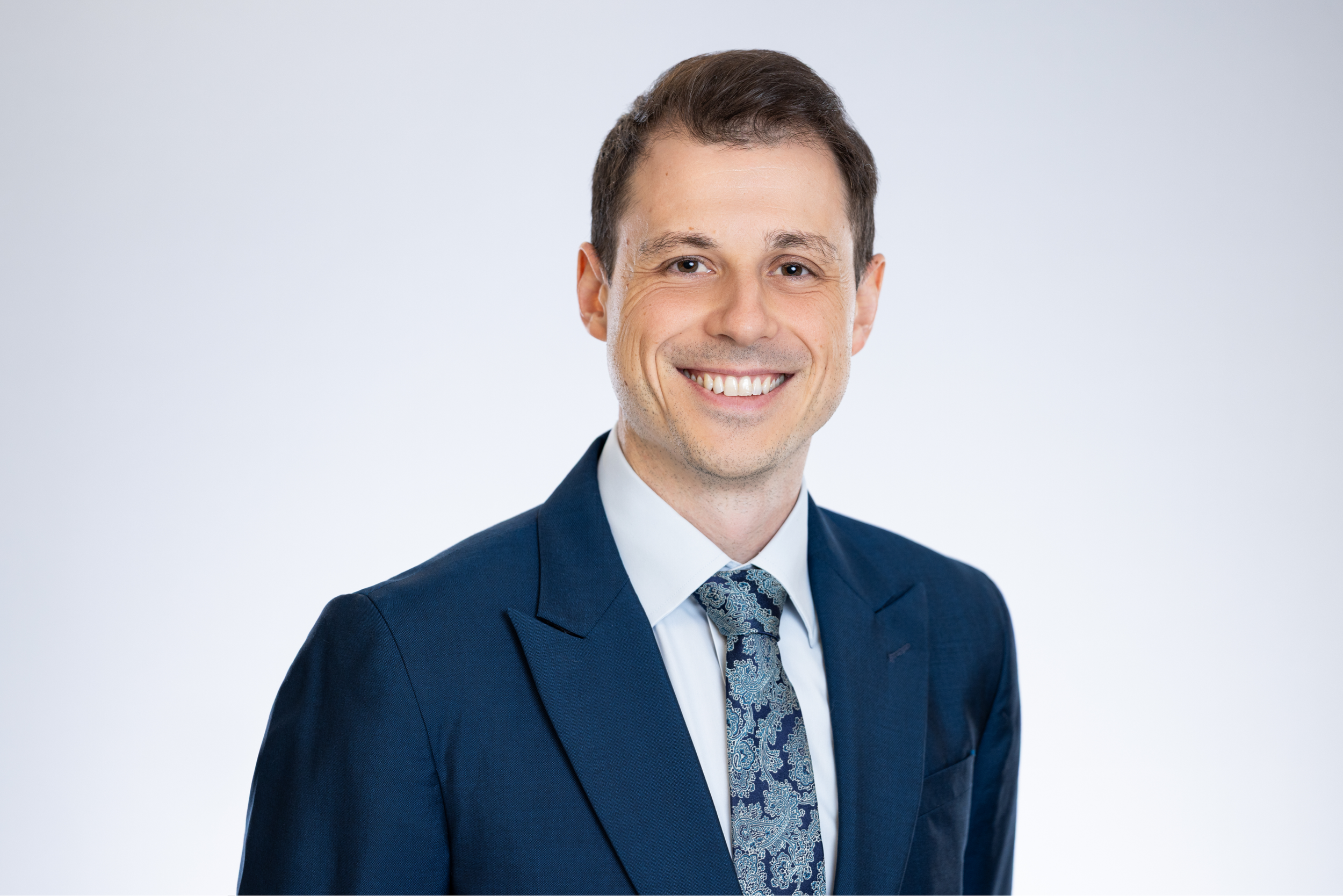
Calvin Duff
2026 SENIOR FELLOW
Calvin Duff has spent a decade in the British Foreign Office, serving as Vice Consul in Hong Kong, where he led reporting on national security trials and trained for two years in Cantonese and Standard Written Chinese to C1 proficiency. He was previously in Zimbabwe during the transition from Mugabe's rule. Before the Foreign Office, he built neural networks for brain-computer interfaces at NASA's Ames Research Facility. Most recently, he completed a Winter Fellowship at GovAI, where he studied how Western essays on transformative AI are discussed in Chinese online media.
-
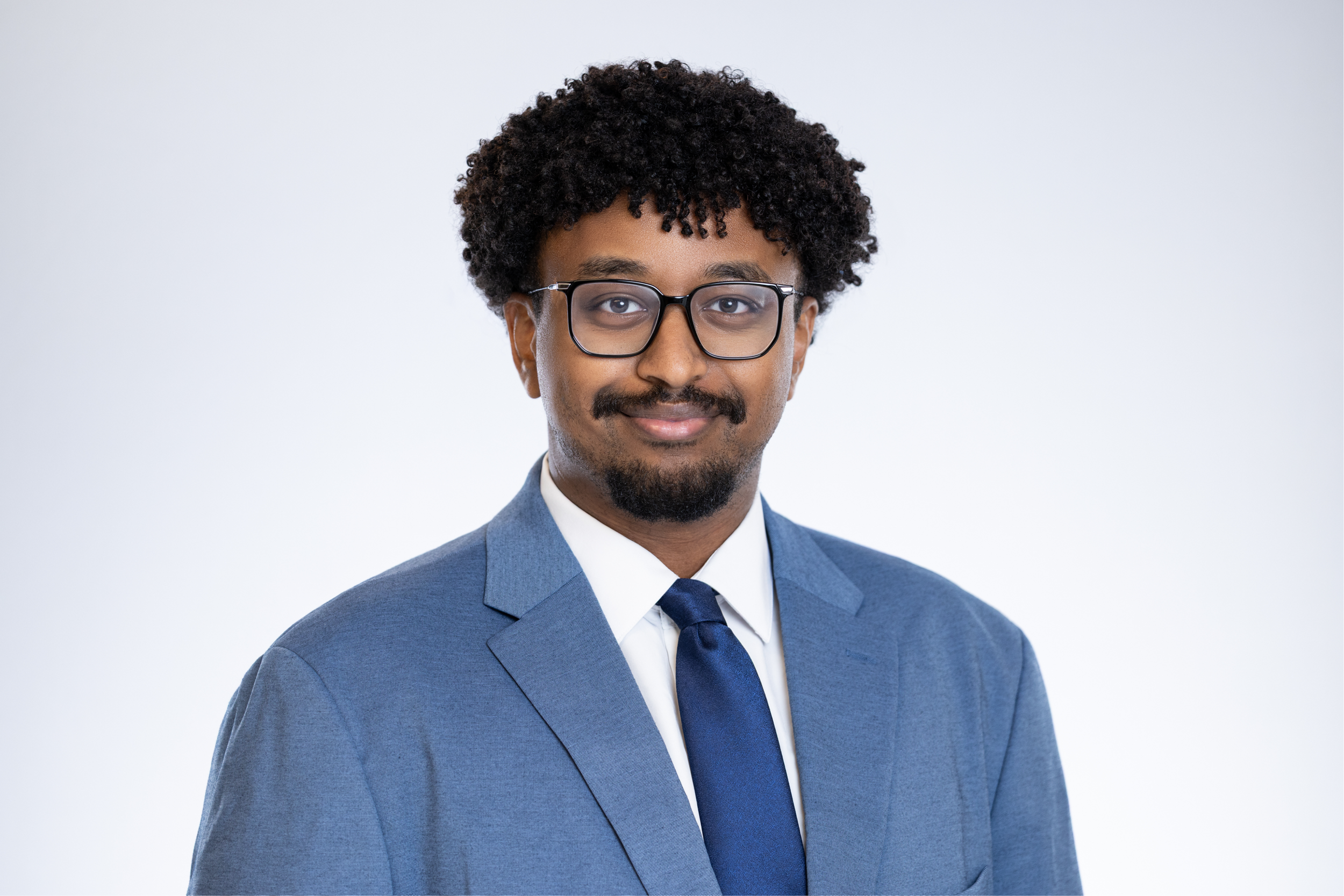
Michael Endrias
2026 FELLOW
Michael Endrias is a J.D. Candidate at Howard University School of Law focused on AI governance, technology policy, and privacy law. He is a student contributor at Lawfare and a Senior Fellow at the Internet Law & Policy Foundry (ILPF). His prior experience includes the Internet Infrastructure Coalition (i2Coalition), the Surveillance Technology Oversight Project (S.T.O.P.), and the United States Senate. He is also working with the Future of Privacy Forum this summer.
-
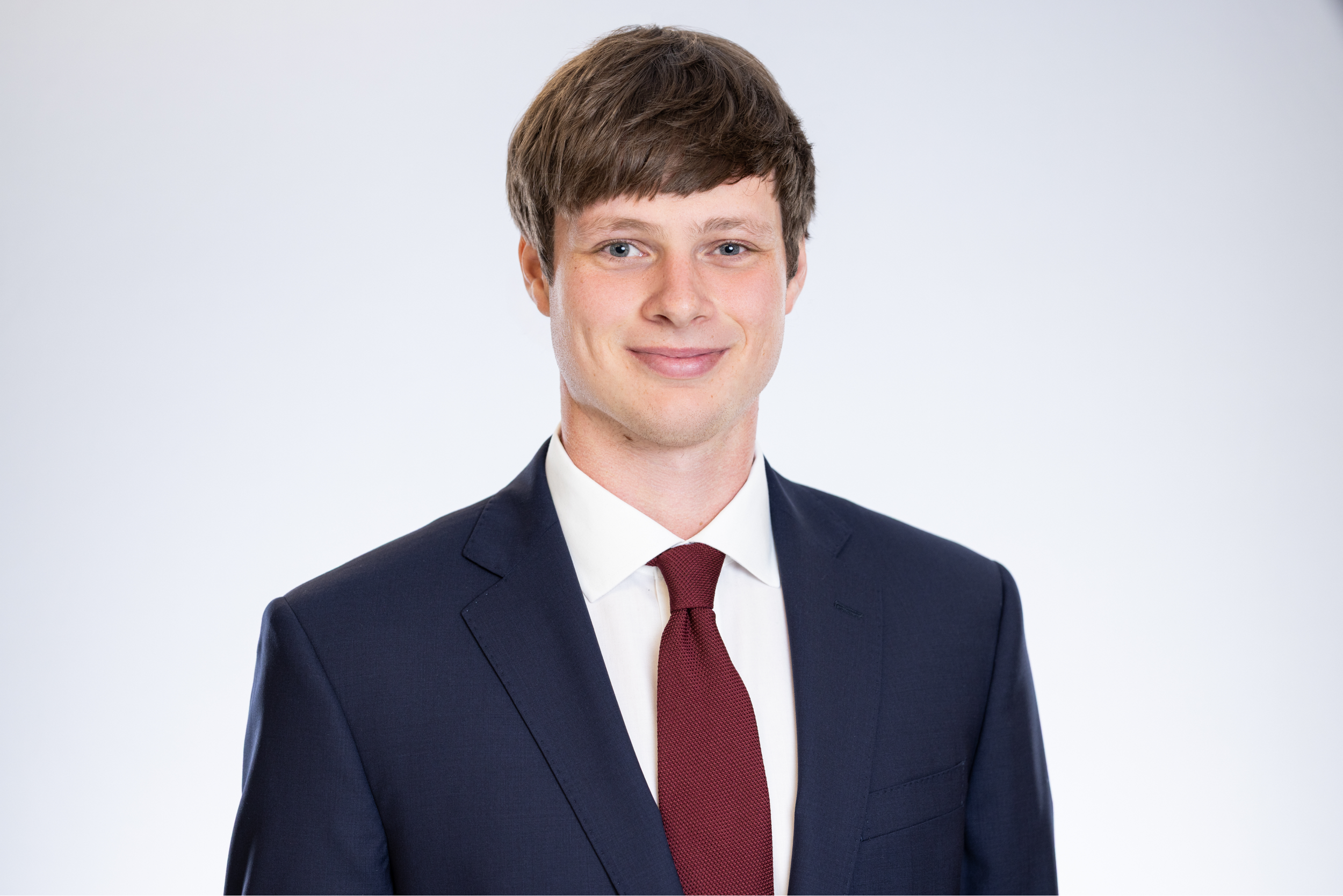
Severin Field
2026 FELLOW
Severin Field holds an M.S. in Computer Science from the University of Louisville; his thesis under Dr. Roman Yampolskiy investigated mechanistic interpretability as a tool to locate and intervene on cognitive capabilities inside large language models. He previously worked as an AI Frameworks Engineer at Intel and recently completed the MATS fellowship. His policy interests center on the safety and security of AI systems (e.g., backdoors, data poisoning, or behavior manipulation) and the geopolitics of compute, including export controls.
-
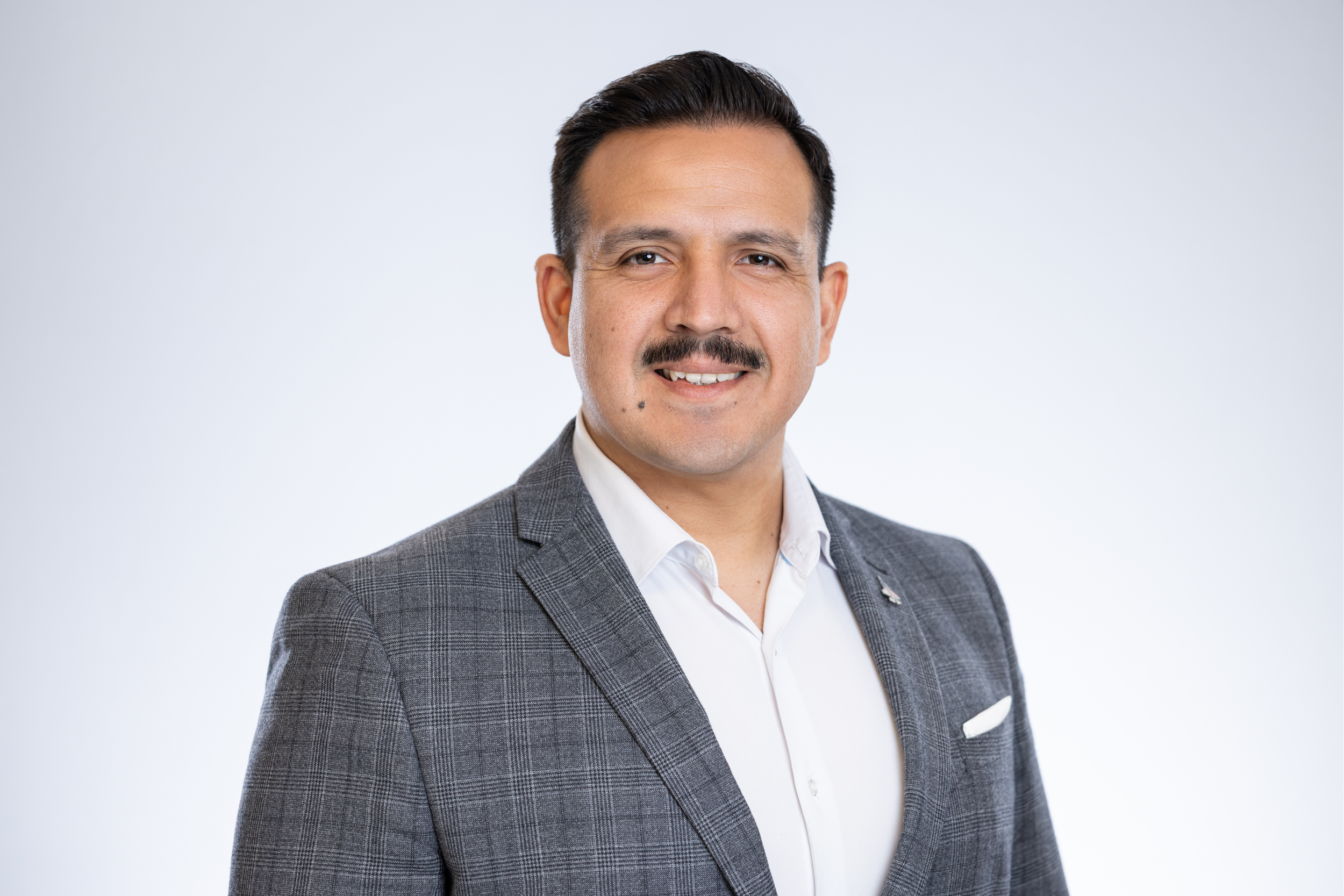
Fabio Garcia
2026 SENIOR FELLOW
Fabio Garcia is a U.S. Marine Corps pilot with over 800 flight hours across multiple platforms. In 2025, he was selected for the MIT/Air Force AI Accelerator Phantom Fellowship, where he built agentic workflows to accelerate the military requirements process. His current work focuses on the safe adoption of autonomous air vehicles by the Marine Corps. Fabio holds a degree in Systems Engineering from the U.S. Naval Academy and is trilingual in English, Spanish, and French.
-
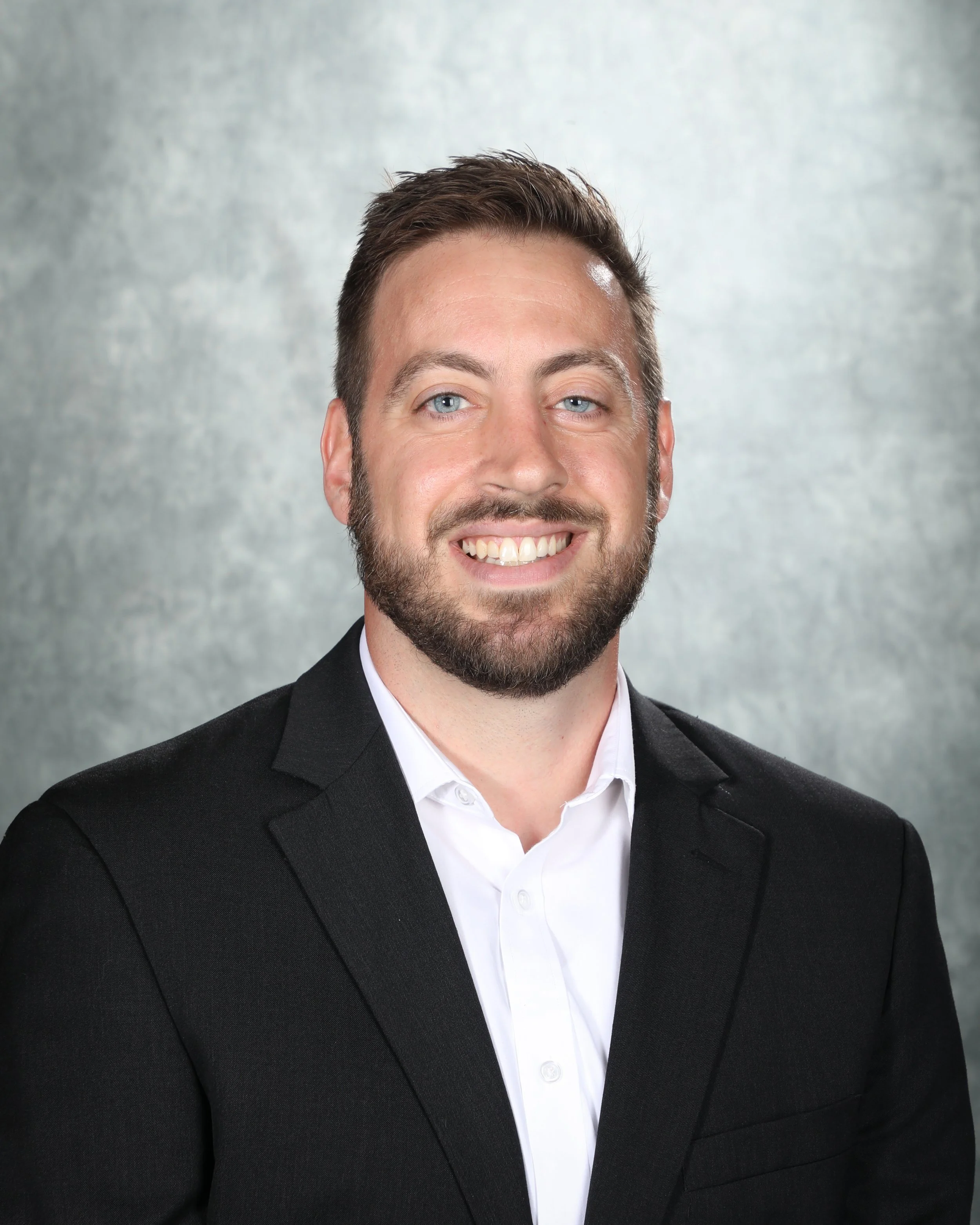
Robert Greer
2026 SENIOR FELLOW
Dr. Robert Greer is an Associate Professor and Director of the Graduate Certificate in Public Management at the Bush School of Government & Public Service at Texas A&M University. He also serves as a fellow in the Mosbacher Institute for Trade, Economics, and Public Policy. His award-winning work in public administration, public finance, and public policy examines how governments can improve policy implementation and the delivery of public services. His current research focuses on the development of AI governance and safety policies.
-
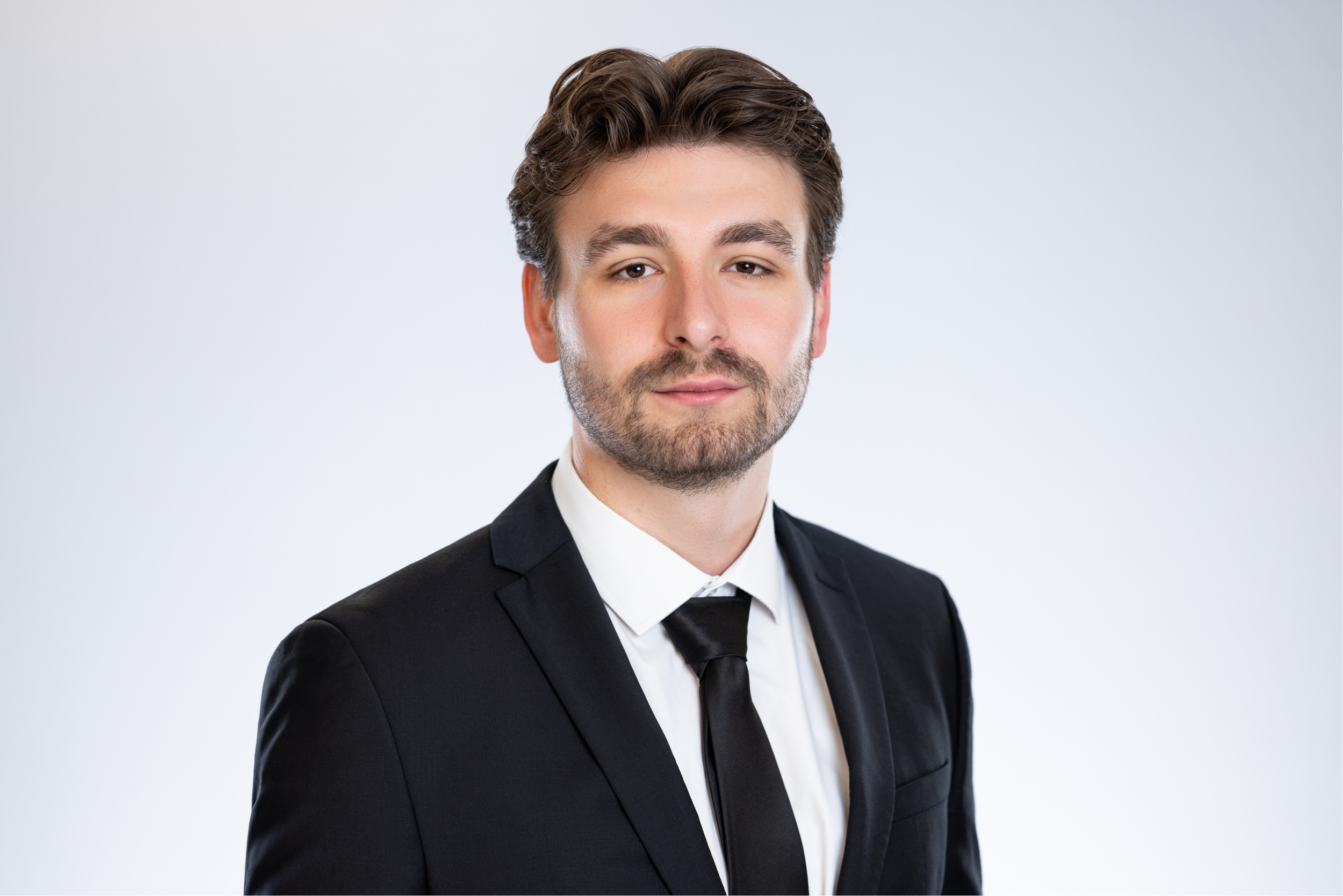
Gabriel Hauss
2026 FELLOW
Gabriel Hauss is a full-stack software engineer pursuing an MSc in Software Engineering at the University of Oxford. He currently works at Mercura, a YC-backed startup deploying AI agents into industrial sales workflows, where he leads integrations and develops self-evolving agentic systems. Previously, he spent over two years as a software engineer at Maastricht University, where he advised the Chief Information Officer on the risks and opportunities of AI in education and administration. He holds a BSc in Physics and Mathematics from the Maastricht Science Programme.
-
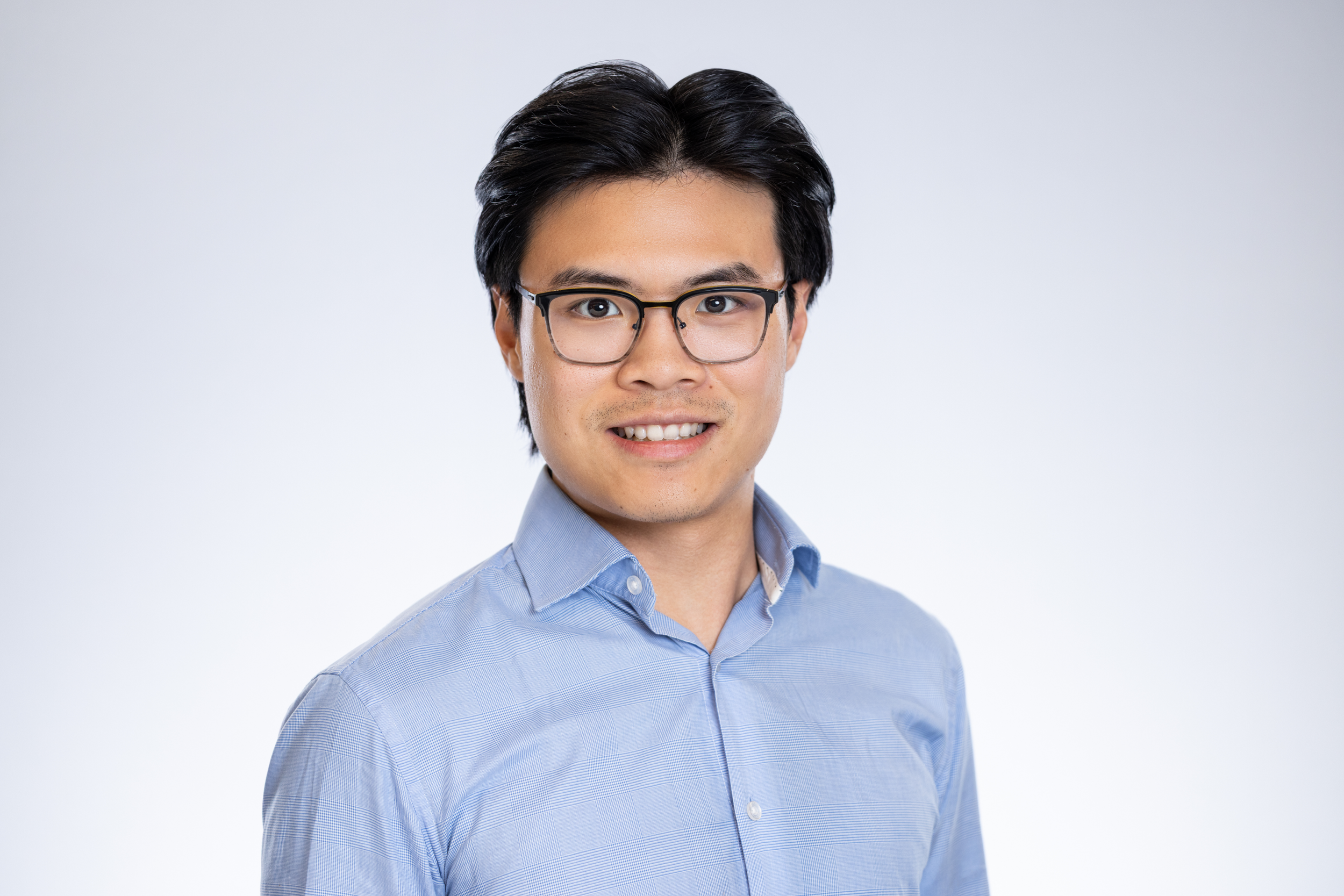
Jack He
2026 FELLOW
Jack has experience in AI governance research and policy and is interested in exploring the roles of middle powers in advancing AI safety standards and practices in the context of increased geopolitical competition. As a Senior Policy Officer at the Australian federal Department of Industry, Science and Resources, Jack has contributed to the set up of the Australian AI Safety Institute, worked on international engagement including with the Network of AISIs, and provided advice on frontier AI risks across the system.
-
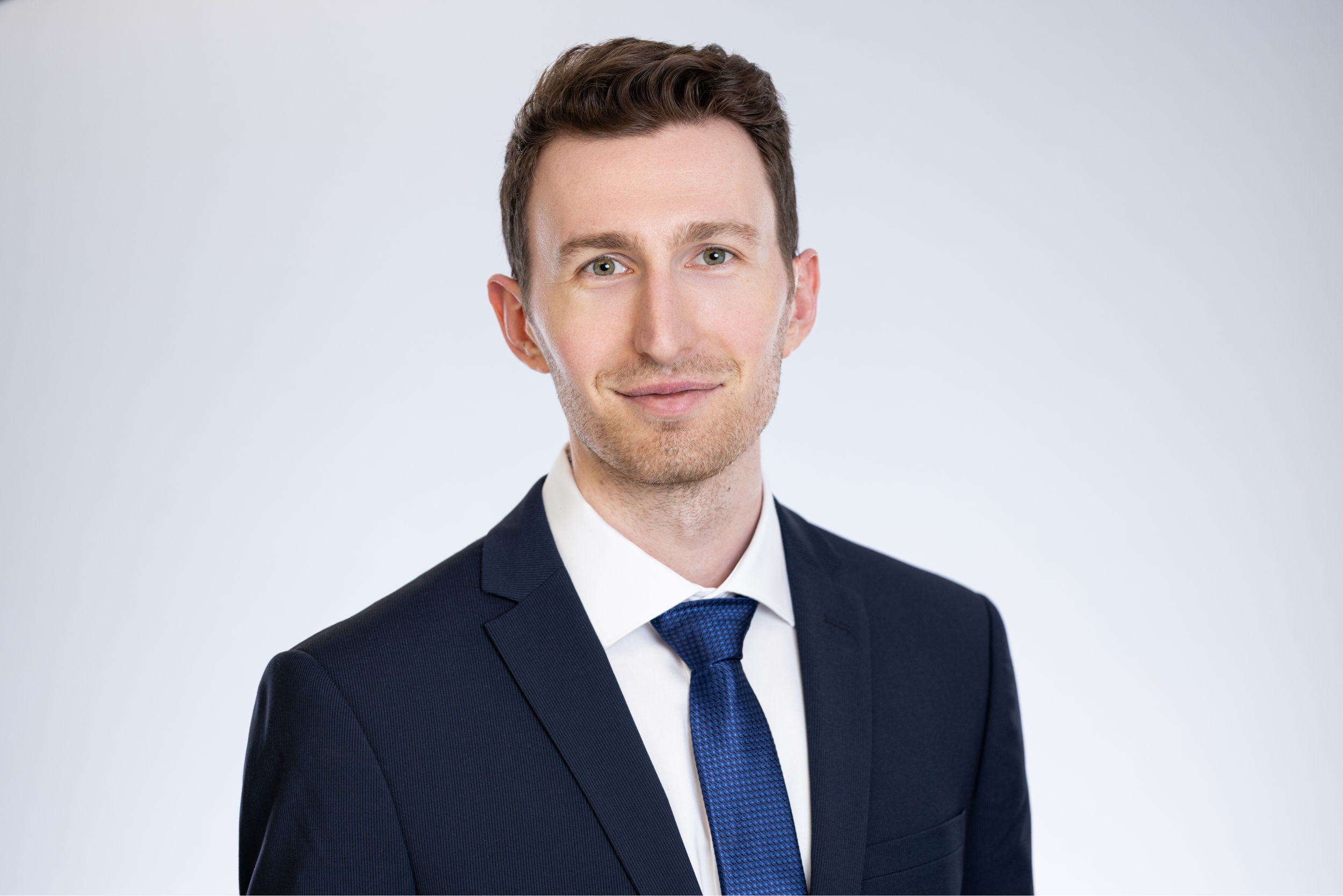
Max Hellrigel-Holderbaum
2026 FELLOW
Max Hellrigel-Holderbaum is a PhD candidate at the Centre for Philosophy and AI Research (PAIR) at FAU Erlangen-Nuremberg. His work aims to provide firmer theoretical foundations for understanding risks from advanced AI, focusing on conditions under which instrumental convergence should be expected, the tradeoff between misalignment and misuse risks, methodological shortcomings in current safety evaluations, and the circumstances under which racing toward advanced AI ceases to serve the racing party's own interests.
-
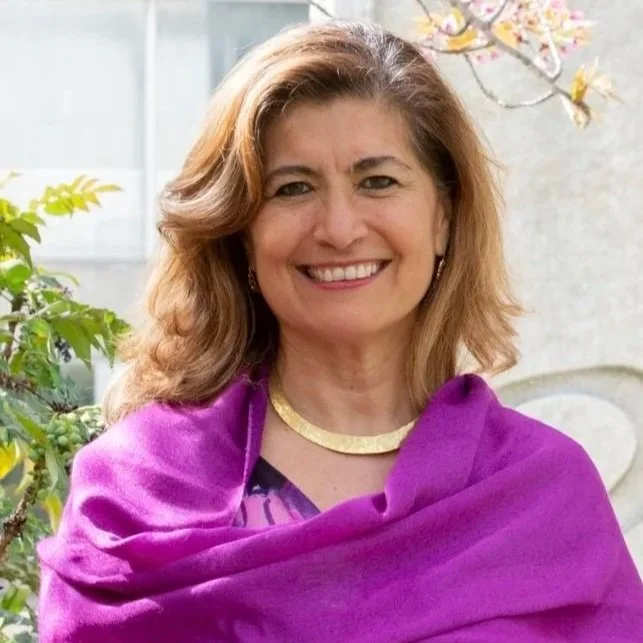
Gabriela Ilian Ramos Patino
2026 SENIOR FELLOW
Gabriela is a global leader in AI policy and inclusive growth, an economist, and a diplomat. She’s co-chair of TSIFD to advance inequalities' financial disclosure, and former UNESCO ADG and OECD G20 Sherpa. She led UNESCO’s global AI ethics instrument (adopted by 194 countries) and its Readiness Assessment Methodology applied in 80+ states. A Harvard graduate and Fulbright scholar, she’s decorated by the French Republic with the Ordre du Merit.
-
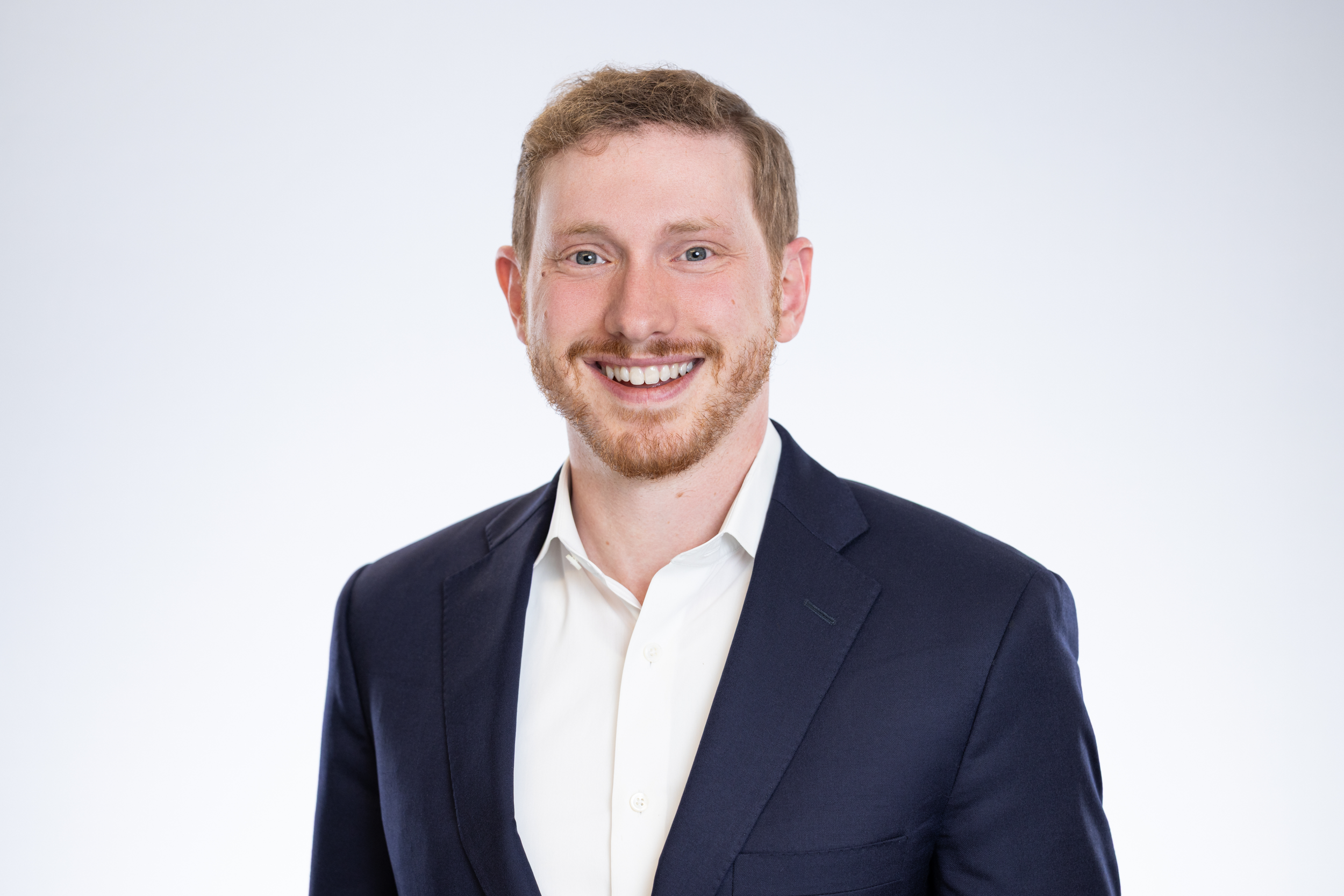
Jonathan Iwry
2026 FELLOW
Jonathan Iwry is a Fellow at the Wharton Accountable AI Lab at the Wharton School of the University of Pennsylvania. His work focuses on the challenges AI poses for foundational legal concepts such as agency, responsibility, and control. He was previously a Summer Research Fellow at the Institute for Law and AI and worked at a global law firm. He holds a B.A., summa cum laude, from the University of Pennsylvania and a J.D. Harvard Law School, and received teaching awards as a Teaching Fellow for Harvard College courses on philosophy, moral psychology, and the ethics of AI.
-
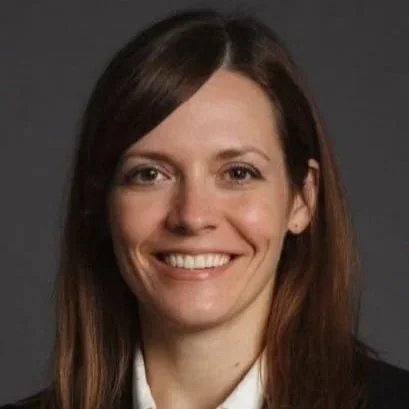
Kristina Kempkey
2026 SENIOR FELLOW
Kristina Kempkey is the Director of the Emerging Technology Center at the Irregular Warfare Initiative (IWI), where she leads research and drives policy debate on how frontier AI is reshaping irregular warfare. Her research at MATS, FIG, and UC San Diego spans AI-enabled bioterrorism, AI escalation and non-state actor behavior, and U.S.-India strategic cooperation on AI. She brings 20+ years of national security and foreign policy experience across USAID, DoD, and DHS, and has been a Fellow at the Council on Foreign Relations, the Atlantic Council, and West Point's CTC.
-
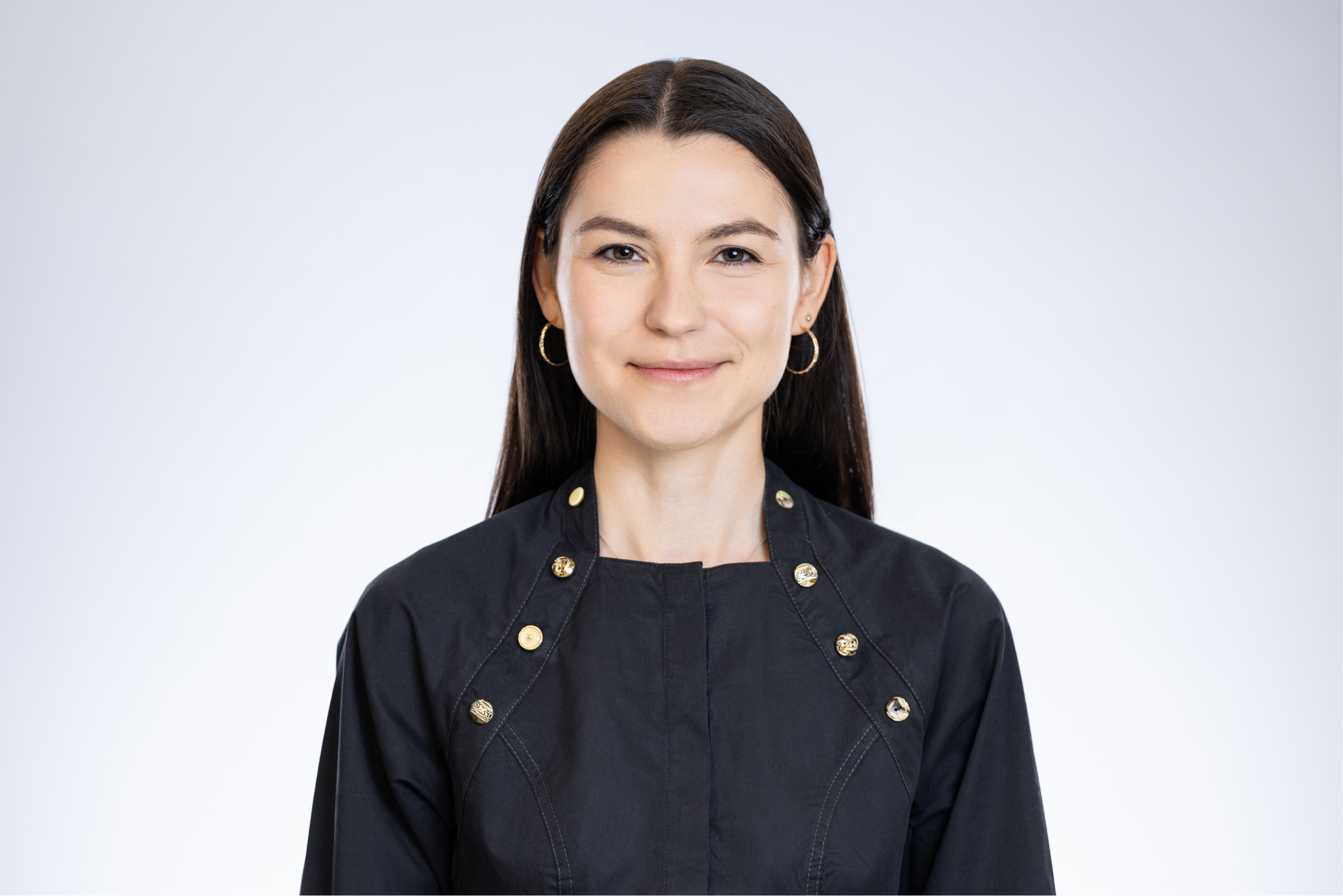
Nicoleta Kyosovska
2026 FELLOW
Nicoleta Kyosovska works on EU and international AI policy at the Centre for European Policy Studies (CEPS), a Brussels-based think-tank. Her recent projects include analysis of the EU AI (giga)factories initiative; studying global models of AI sovereignty and managed interdependence; and developing organisational measures for the governance of emulated empathy. She helps run the Forum for Cooperation on AI (FCAI) which hosts regular multilateral AI dialogues and is co-led with the Brookings Institution. She previously worked as a data scientist in academic publishing. She holds a BSc in Computer Science and Artificial Intelligence and an MSc in Physics of Complex Systems.
-
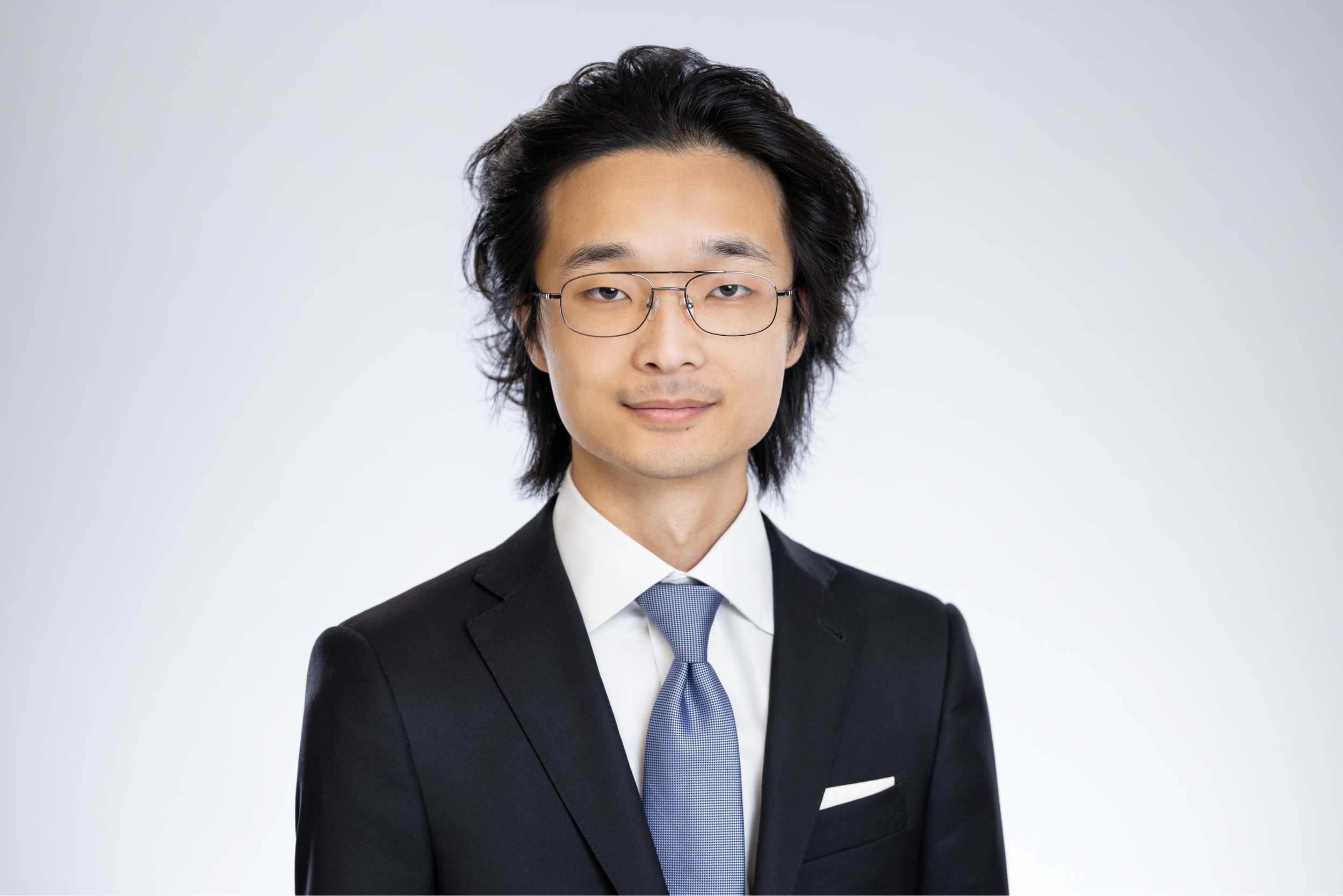
Keaton Lee
2026 FELLOW
Keaton Lee is an AI engineer working on national security satellite systems. He has experience supporting senior executives, coordinating across interagency and international partners, and drafting policy for national security organizations. His current research focuses on the accelerating saturation of AI biology benchmarks and what that means for biosecurity evaluation, model assurance, and policy decision-making. Keaton holds an MPP from Harvard Kennedy School, where he was a Belfer Young Leaders Student Fellow.
-
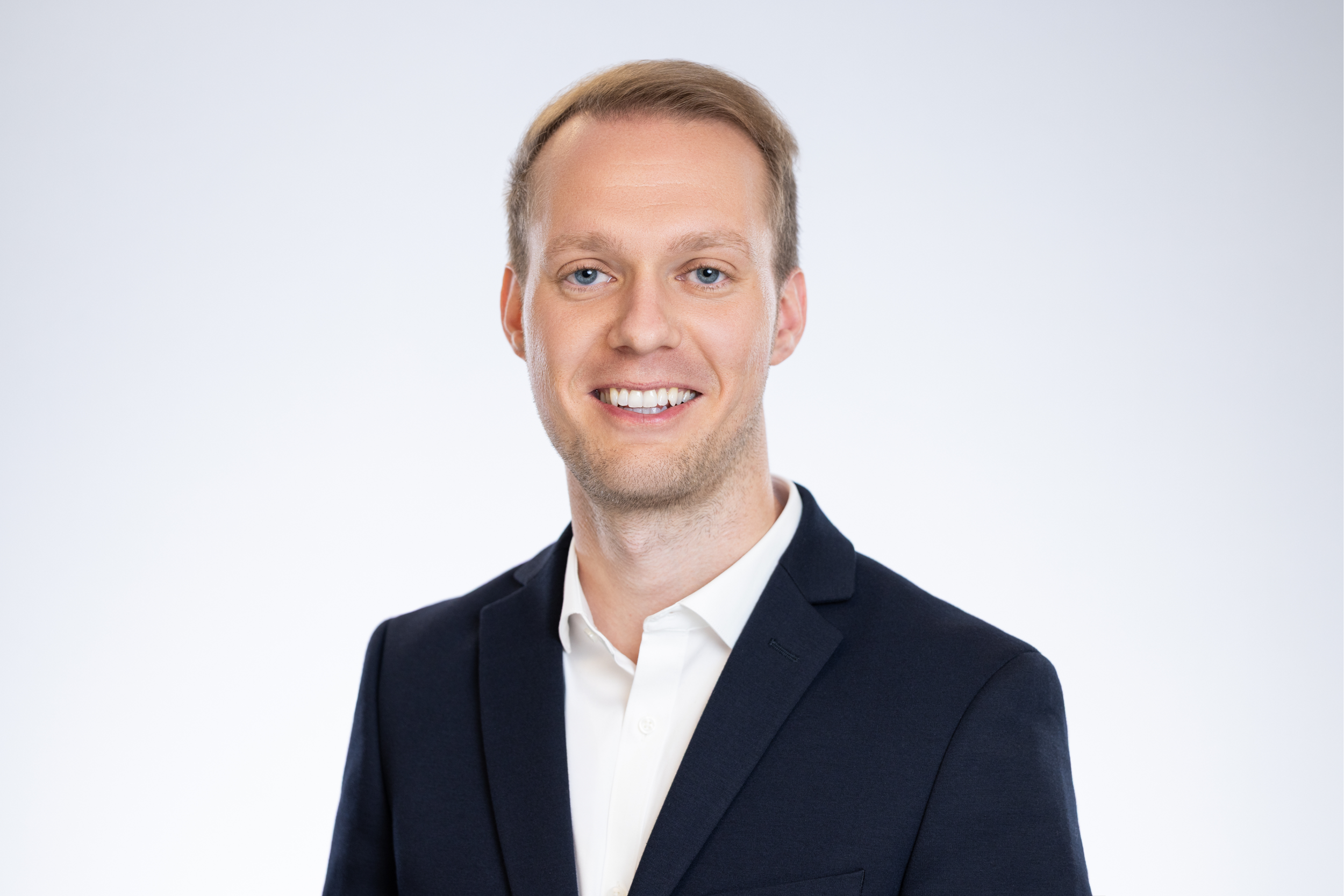
Nico Marquardt
2026 SENIOR FELLOW
Nico Marquardt is a Parliamentary Leader and AI policy strategist in Germany with over a decade of experience in legislative oversight. He chairs the council for digitalization in the State Capital Potsdam and serves as a Supervisory Board Member for several critical infrastructure entities, including public hospitals. Alongside his political work, he is a PhD researcher at Charité Berlin, focusing on the technology and system readiness of AI in global health. Nico leverages his dual background to build a transatlantic EU-US bridge in applied AI governance and critical infrastructure.
-
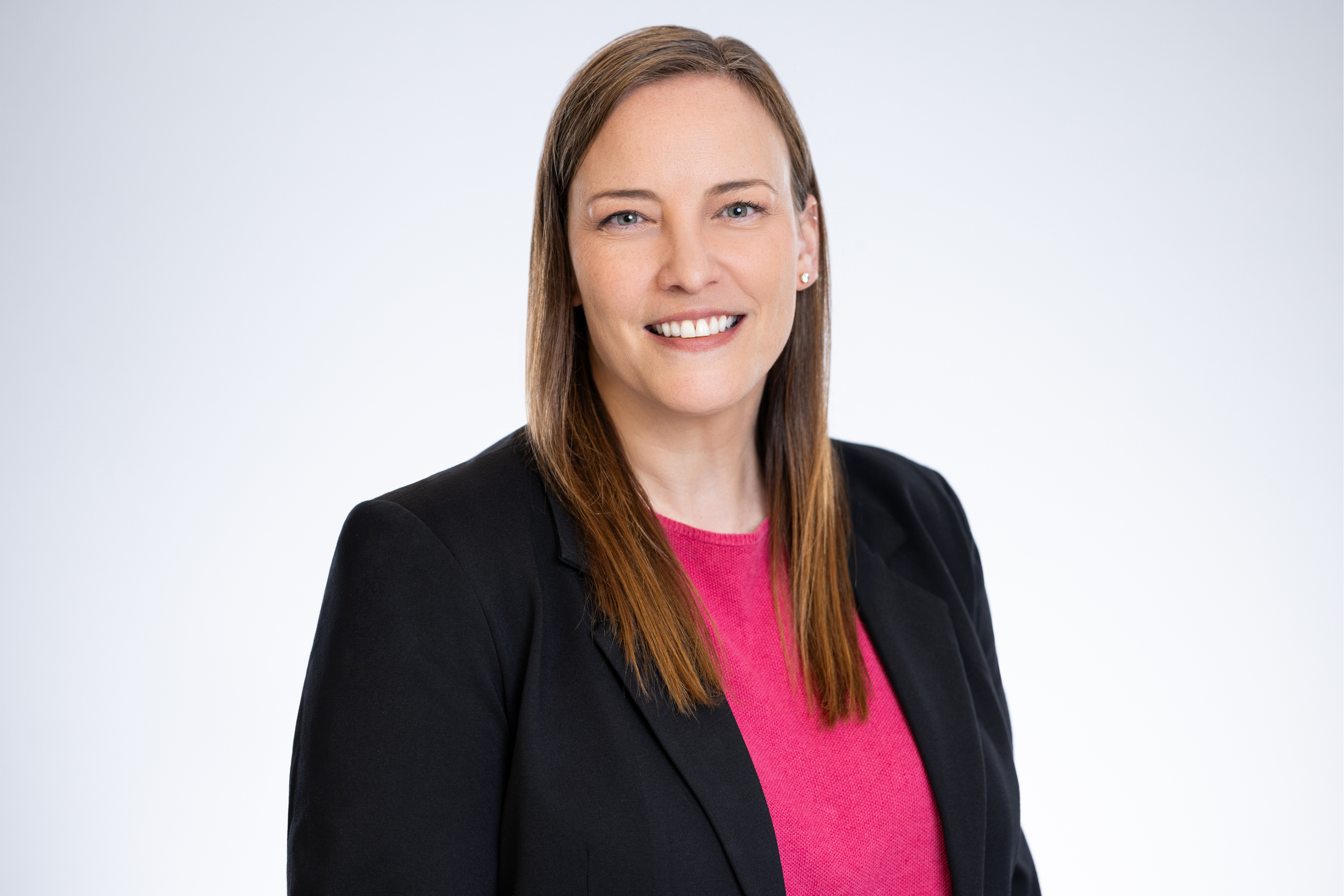
Michelle Parker
2026 SENIOR FELLOW
Michelle Parker is NetHope's first Director of AI, setting the organization's AI strategy and helping 60+ international humanitarian organizations adopt AI responsibly while elevating the sector's voice in global AI policy. A former career U.S. Foreign Service Officer with postings from Islamabad to Tokyo, she led USAID's Digital Strategy across a $42B portfolio and directed regional AI, cybersecurity, and 5G programs in Central America. She has published with RAND, RUSI, and NDU, testified before Congress, and is a Fellow in AI and National Security at the Council on Strategic Risks.
-
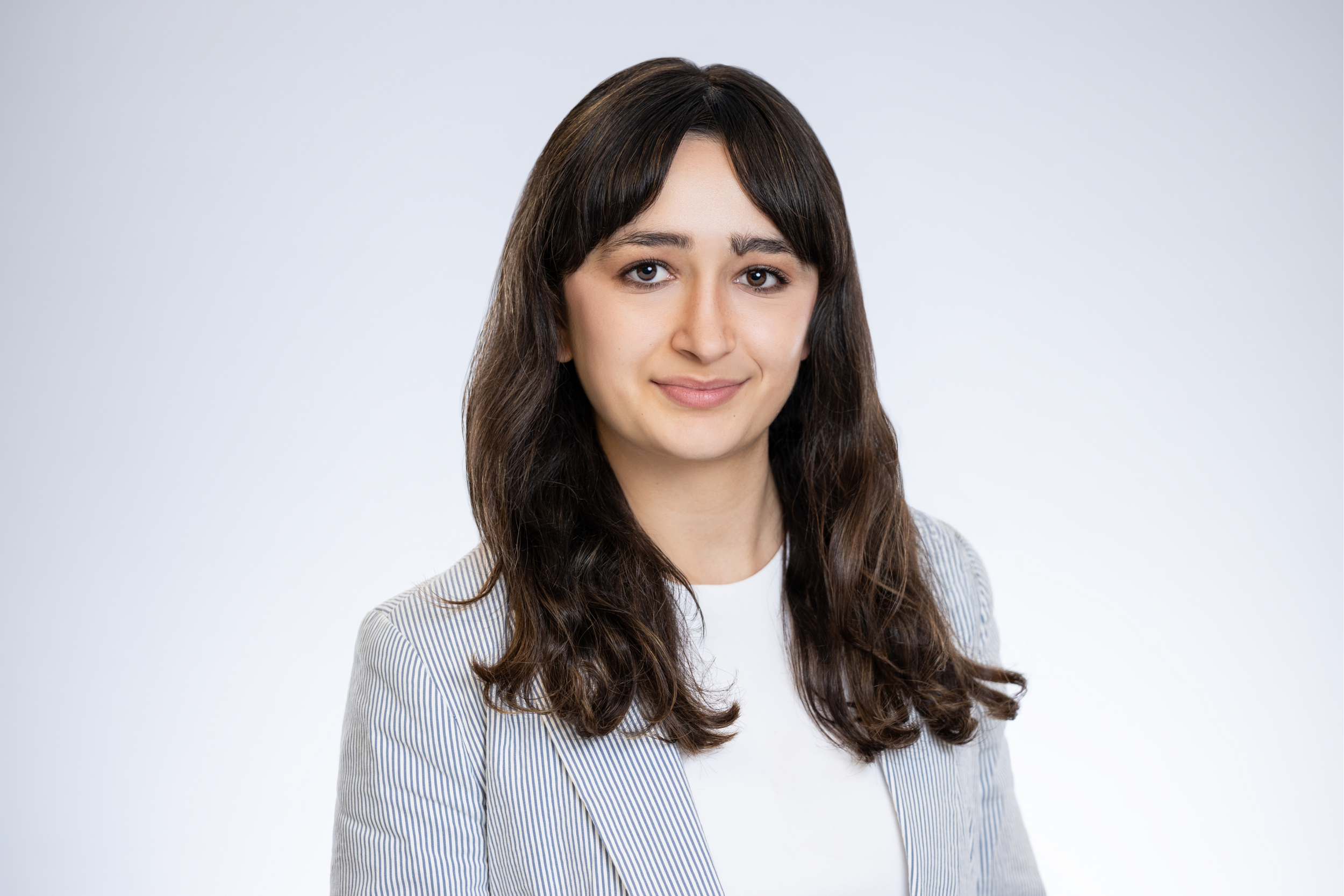
Rocio Perales Valdes
2026 FELLOW
Rocio Perales Valdes is a Computer Science student at Georgia Tech and Stamps President's Scholar. She currently conducts interpretability research on vision-language-action models at the PAIR Lab, and previously researched deepfake legislation under Dr. Kosal. She is Co-Director of GT AISI, a student-led AI research community, where she leads policy efforts. She also chaired the Provost's AI & Student Body subcommittee for GT's AI and Academics initiative, reaching over 1,000 students.
-
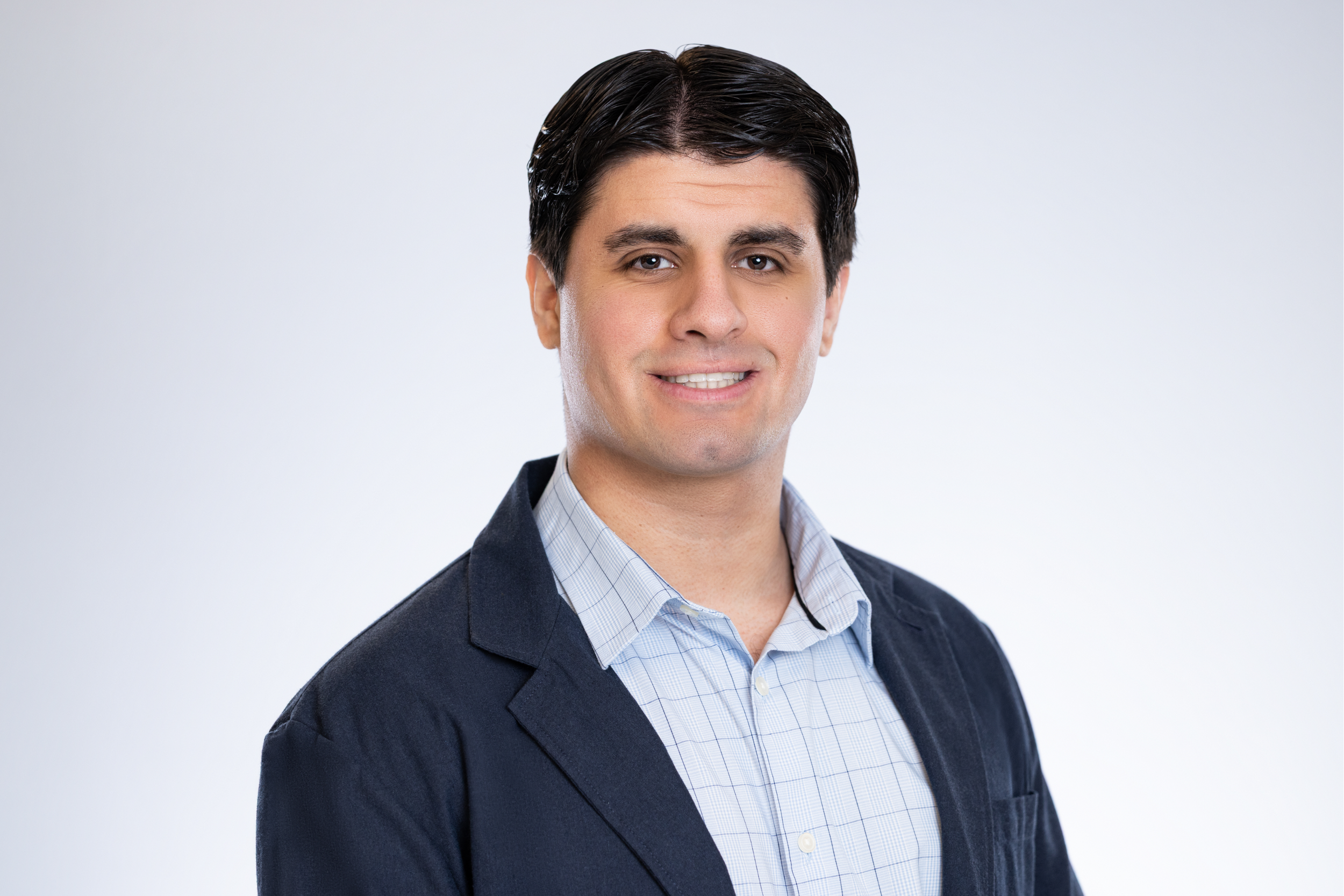
Maximus Rafla
2026 FELLOW
Maximus Rafla is a computer science student at the New Jersey Institute of Technology, where he minors in philosophy and applied ethics. As a Research Fellow at the Cambridge Boston Alignment Initiative, he built an evaluation system for measuring how effectively frontier AI models can execute social engineering attacks. At the Cambridge AI Safety Hub, he developed a response taxonomy for a policy framework analyzing international options available to states facing imminent AGI development. His current research interests center on compute governance and hardware-enabled verification.
-
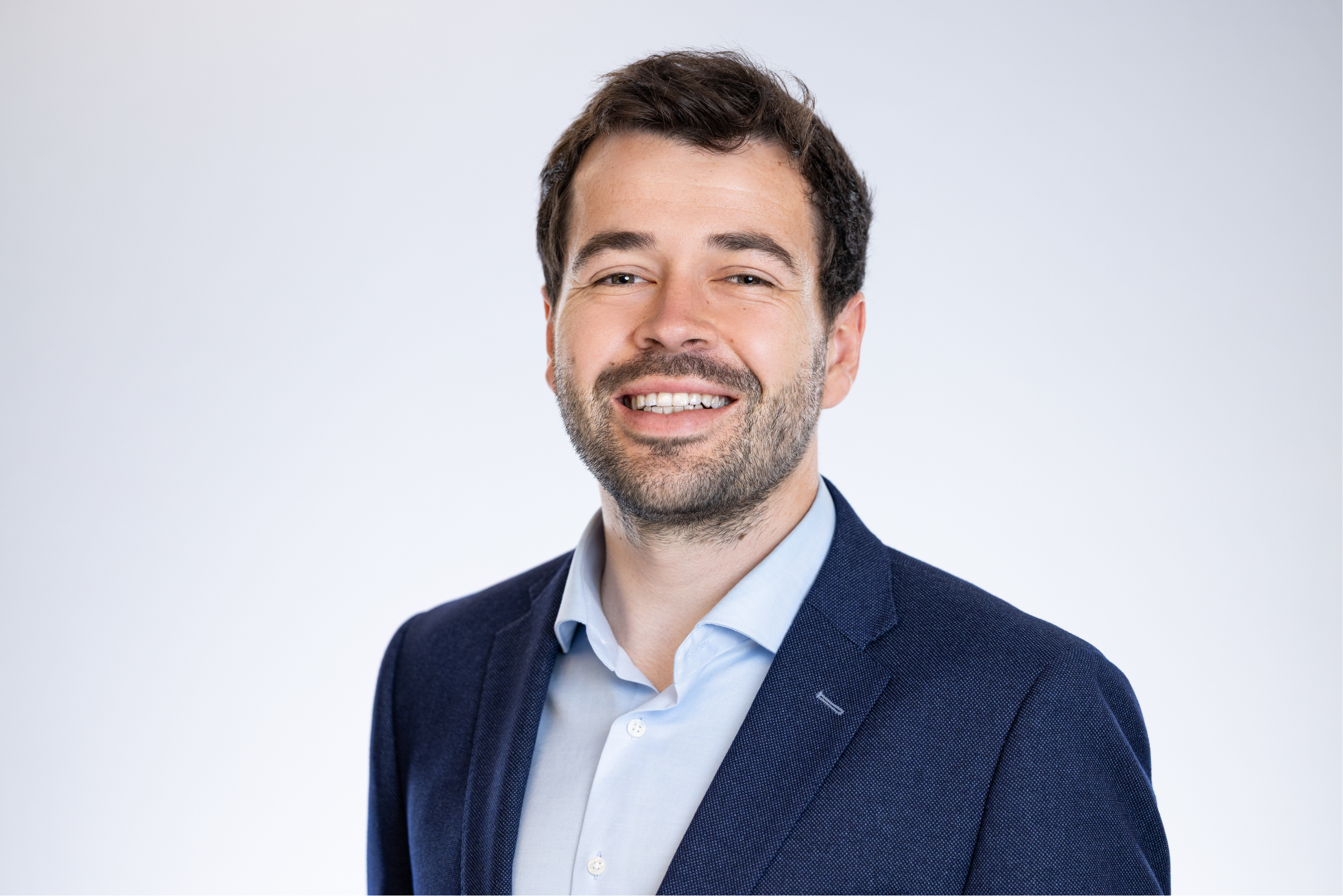
Tom Steer
2026 FELLOW
Tom Steer is currently an MPP student at Yale. Previously, he worked for the UK government for six years in roles focused on international security, including advising the UK AI Security Institute on their testing of frontier AI models to protect against misuse by threat actors. At Yale, he has turned his attention to securing inclusive economic development in an era of rapid technological change, geopolitical competition, and rising inequality. He holds a Bachelor’s degree in Philosophy, Politics and Economics from the University of Oxford.
-
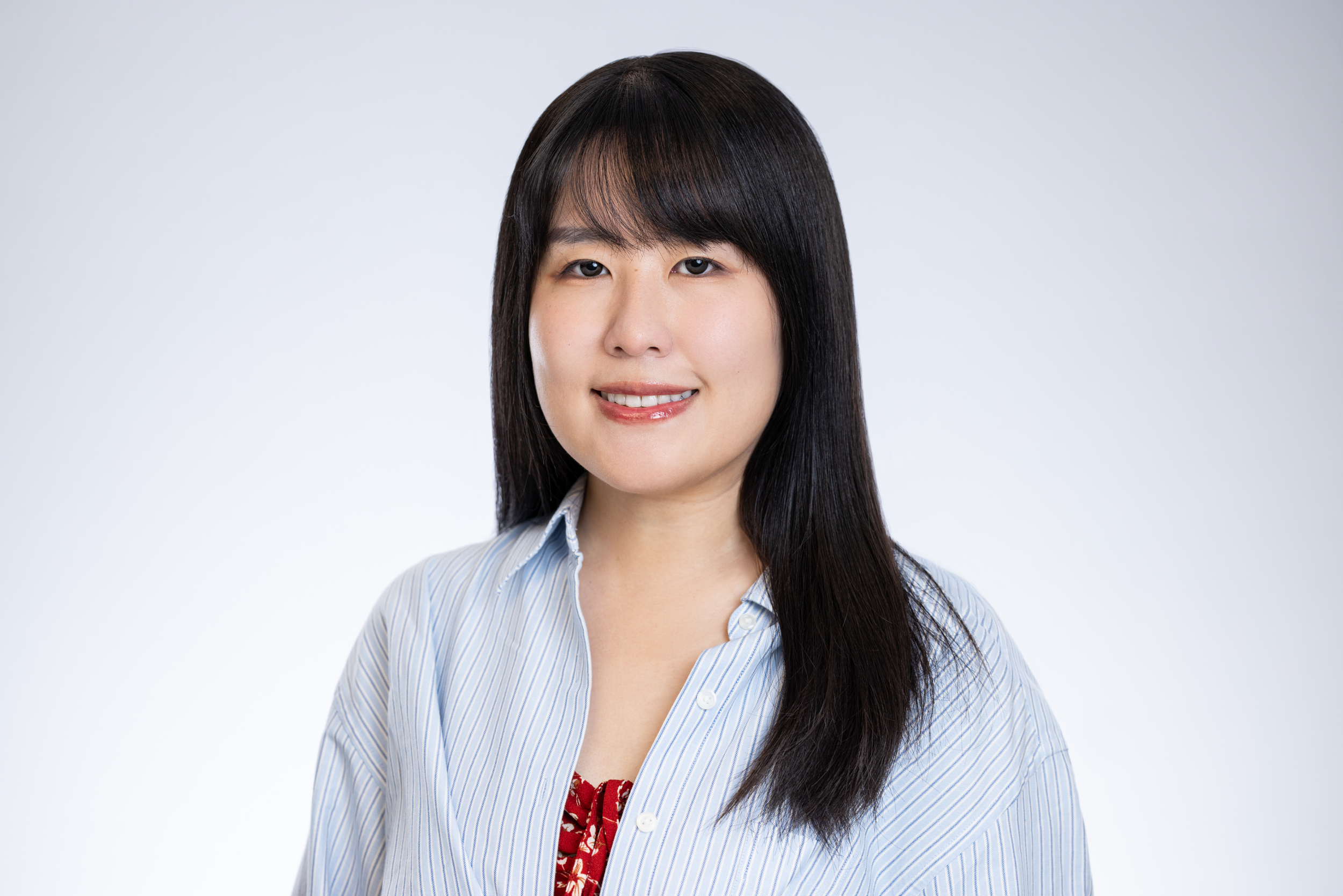
Ruiran Alba Su
2026 FELLOW
Ruiran (Alba) Su is a DPhil student at the University of Oxford and a Jardine Scholar. She researches causal and explainable multimodal AI systems. Her work focuses on building frameworks to verify scientific claims using argument mining. She previously received her Masters in Computer Science at Peking University.
-
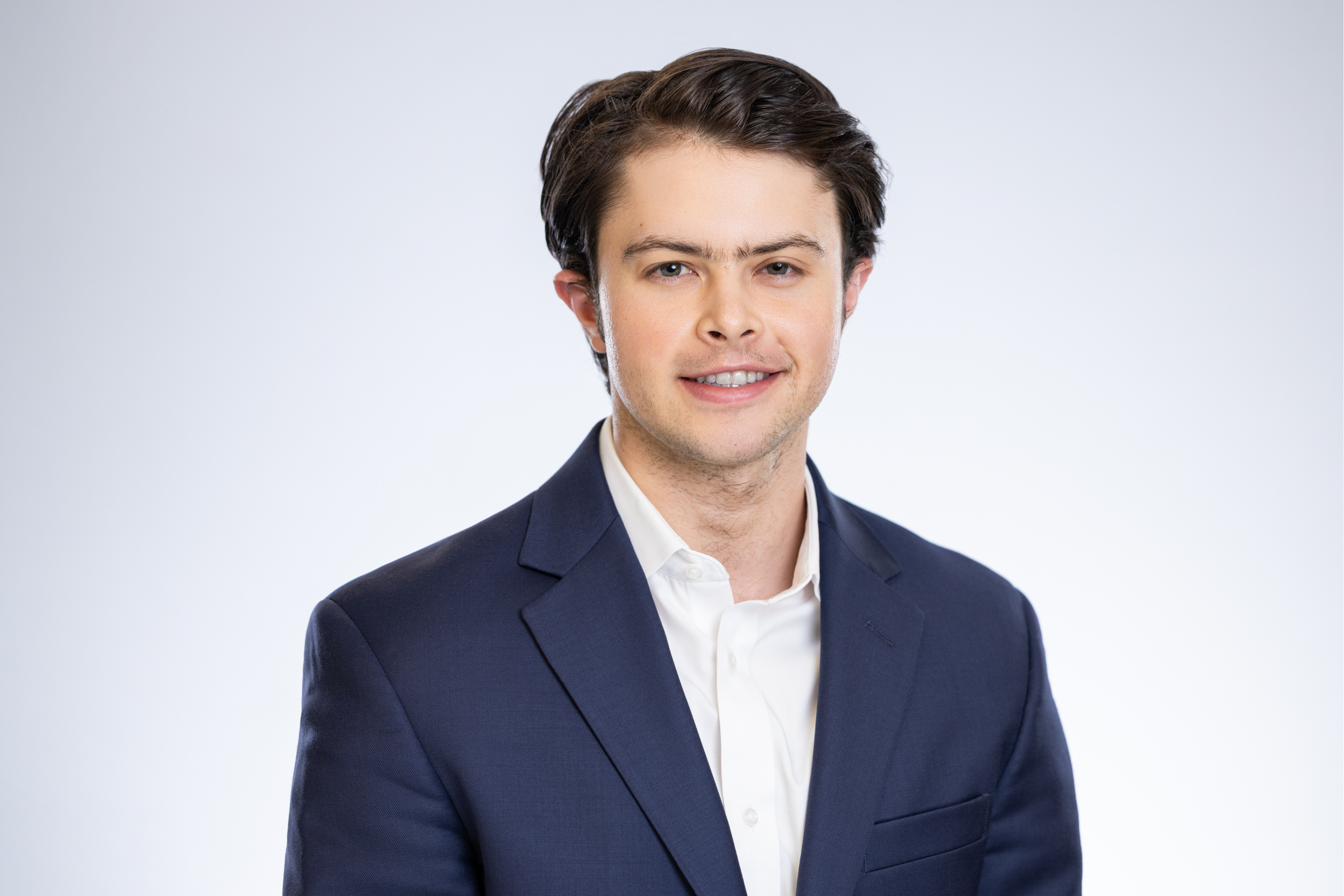
David Veldran
2026 FELLOW
David Veldran is a philosophy PhD student at the University of Pittsburgh specializing in ethics and political philosophy. He is especially interested in the ethics and governance of AI and emerging technology, particularly regarding their long-term opportunities and risks. He previously worked on issues at the intersection of AI and the workforce at the American Enterprise Institute and received a bachelor's degree in philosophy from Princeton University.
-
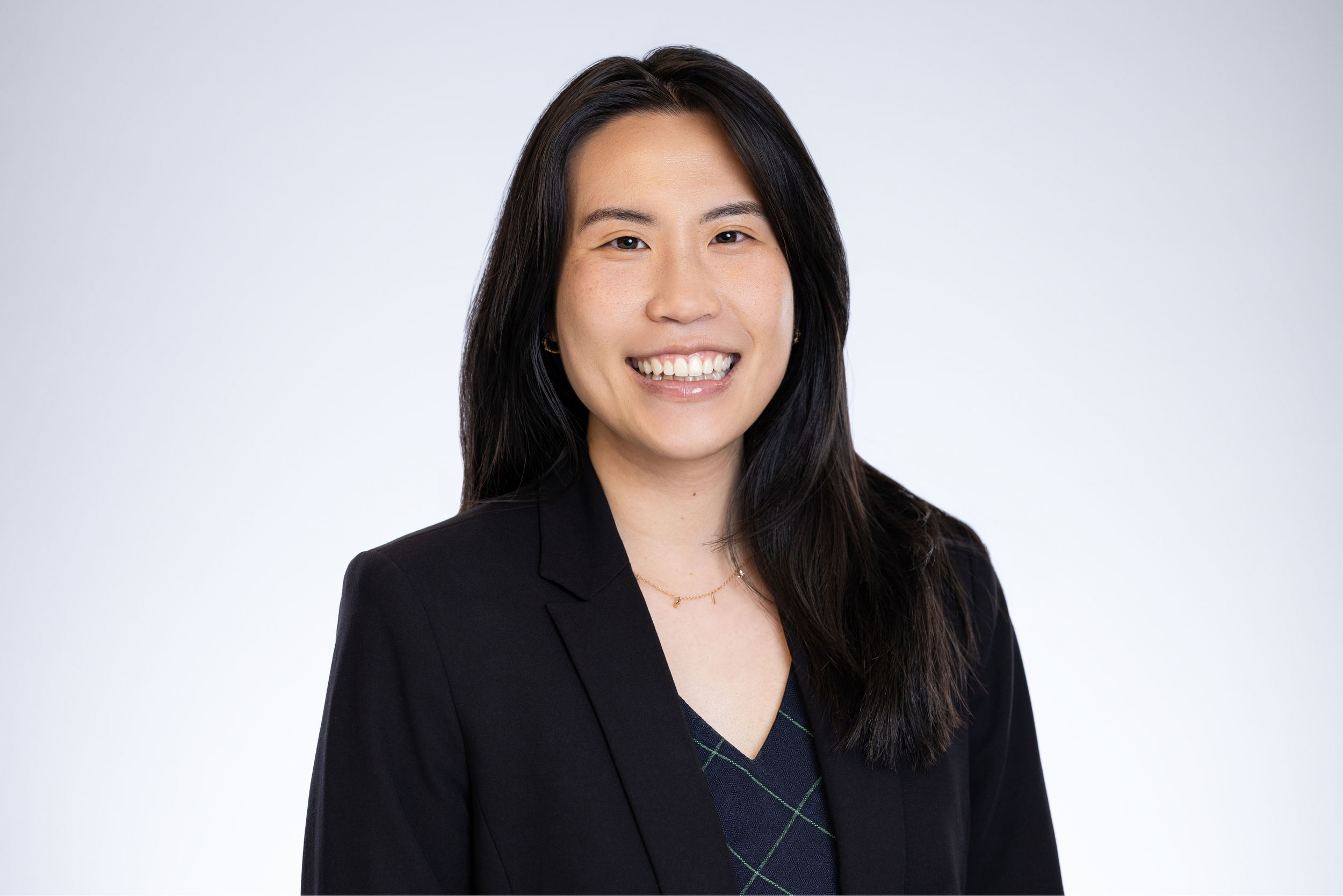
Jenny Wu
2026 FELLOW
Jenny Wu is a data scientist and policy researcher working at the intersection of AI safety, governance, and national security. She specializes in applied machine learning with a focus on making AI systems more transparent, robust, and accountable. Her work spans technical research in adversarially robust algorithms to policy analysis informing AI governance frameworks. She holds degrees in economics, political science, and data science from UC San Diego and Duke University.